“You’re too sensitive.”
“You’re dramatic.”
“You’re unstable.”
“You need help.”
“You’re imagining things.”
Many people who experience emotional or psychological abuse are not labelled as hurt.
They are labelled as unwell.
There is a huge difference.
Reacting to Harm Is Not Madness
If someone repeatedly dismisses your feelings, lies, undermines you, or shifts reality, you will react.
You may:
- Cry.
- Raise your voice.
- Shut down.
- Panic.
- Become hypervigilant.
- Overthink.
- Feel rage.
- Feel despair.
These are human responses to distress.
But in controlling dynamics, those reactions are often used as evidence against you.
“See? You’re the problem.”
This is a powerful reversal.
Instead of the focus being on the harmful behaviour, the focus becomes your reaction to it.
The Pathologising of Normal Emotions
In some relationships, particularly coercive ones, emotional expression is subtly forbidden.
You are allowed to feel:
- Calm.
- Pleasant.
- Agreeable.
But not:
- Angry.
- Hurt.
- Suspicious.
- Boundary-setting.
When your natural responses are repeatedly criticised, you begin to suppress them.
That suppression doesn’t make the feelings disappear.
It drives them inward.
Which can look like:
- Depression.
- Anxiety.
- Loss of identity.
- Chronic self-doubt.
- Emotional numbness.
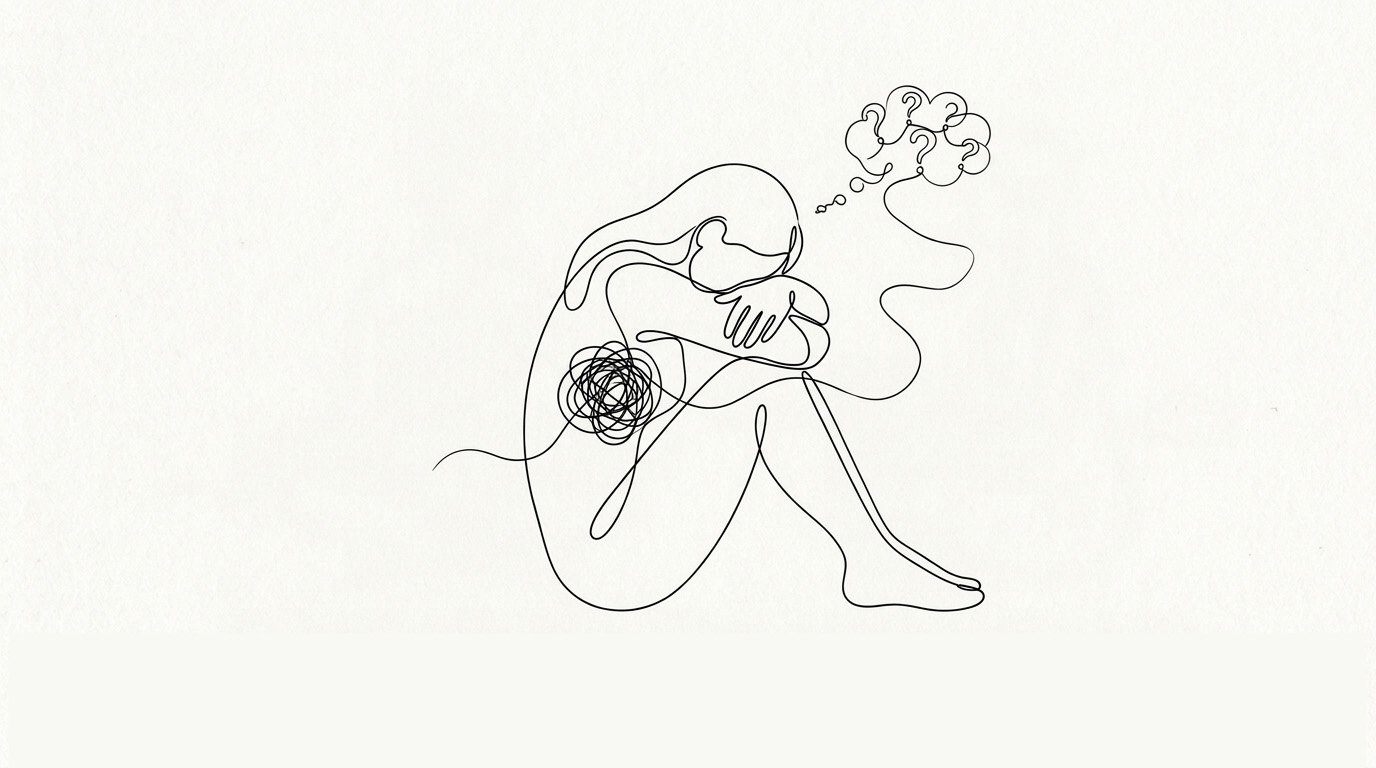
Not because you are broken.
But because you are containing too much.
Being Told You Need Sectioning
Some people are told they are “mad,” “unstable,” or need psychiatric intervention simply for expressing distress.
That is deeply frightening.
And deeply silencing.
When someone suggests you are mentally ill for reacting to mistreatment, it creates fear:
- Fear of not being believed.
- Fear of losing credibility.
- Fear of being dismissed.
- Fear of being isolated further.
This is not care.
It is control.
Emotional Intensity After Abuse Is Common
After prolonged stress, your nervous system becomes sensitised.
You may feel:
- Quick to tears.
- Easily startled.
- Overwhelmed.
- Chronically exhausted.
- Angry at injustice.
- Hyper-aware of manipulation.
These are trauma responses.
Not personality flaws.
Your body has been on alert.
It takes time to recalibrate.
Losing Your Sense of Self
One of the quietest harms of coercive dynamics is identity erosion.
- You might wake up one day and realise:
- You don’t know what you like anymore.
- You don’t trust your own judgement.
- You apologise constantly.
- You second-guess every decision.
- You feel smaller than you used to be.
This isn’t accidental.
If someone repeatedly overrides your reality, your voice, your choices, your preferences, you gradually disconnect from yourself.
Rebuilding that connection takes patience.
Grief Is Part of Recovery
There is grief in recognising abuse.
Grief for:
- The version of the relationship you hoped for.
- The time lost.
- The self you were.
- The safety you thought you had.
- The impact on children, family, friendships.
Grief can look like depression.
It can look like anger.
It can look like exhaustion.
But grief is not pathology.
It is mourning.
You Are Allowed to Feel
Healthy relationships allow emotional range.
You can:
- Disagree.
- Express hurt.
- Set boundaries.
- Change your mind.
- Say no.
- Feel angry.
- Feel afraid.
- Ask questions.
Without being punished for it.
If your feelings were consistently denied, minimised, or weaponised, it makes sense that you feel destabilised now.
You were not “too much.”
You were responding to too much.
Reclaiming Your Emotional Ground
Healing often begins with something very simple and very radical:
“My feelings make sense.”
Not always perfectly expressed.
Not always convenient.
Not always calm or articulate.
But understandable.
And human.
In therapy, we don’t rush to label emotions as symptoms.
We don’t immediately ask, “What’s wrong with you?”
We ask something different.
What are these feelings protecting?
What are they signalling?
What have they had to hold?
What happened to you?
Because context matters.
Anger in a vacuum can look frightening.
Anger in the context of repeated boundary violations makes sense.
Anxiety without context can be labelled disordered.
Anxiety after years of unpredictability is an adapted nervous system.
Numbness can look like depression.
But numbness is often a body that has carried too much for too long.
Overthinking can be criticised as obsessive.
But overthinking is often a survival strategy in environments where the rules constantly changed.
When we slow down and place emotions back into their story, something shifts.
Shame softens.
You begin to see that your reactions were not random flaws, they were responses.
Protective responses.
Human responses.
And that is very different from being “mad.”
From Self-Doubt to Self-Trust
When someone has been repeatedly told they are overreacting, dramatic, unstable, or too sensitive, the deepest injury is often not the conflict itself.
It is the loss of self-trust.
You stop believing your own instincts.
You question your own memory.
You scan other people’s faces to check if your reactions are “allowed.”
Reclaiming your emotional ground means slowly, gently rebuilding that trust.
It can sound like:
- “I felt uncomfortable for a reason.”
- “My body reacted because something didn’t feel safe.”
- “I don’t need permission to feel hurt.”
- “Discomfort doesn’t mean I’m unstable.”
- “Intensity doesn’t mean I’m broken.”
This is not about becoming reactive.
It’s about becoming regulated and self-connected.
There is a difference.
Learning the Difference Between Reaction and Identity
One of the cruellest effects of coercive dynamics is when a temporary trauma response becomes your identity.
You weren’t anxious — you were living in unpredictability.
You weren’t paranoid — you were being undermined.
You weren’t unstable — you were destabilised.
There is a difference.
Therapy can help separate who you are from what you endured.
It helps untangle:
- Your personality
from
- Your coping strategies.
- Your values
from
- Your survival behaviours.
- Your voice
from
The internalised voice of someone who silenced you.
That untangling takes time.
But it is possible.
Making Space for the Whole Emotional Range
Reclaiming your emotional ground also means allowing the full range of feeling back in, not just the acceptable ones.
You are allowed to feel:
Anger — without being violent.
Sadness — without being weak.
Fear — without being irrational.
Joy — without waiting for it to be taken away.
Relief — without guilt.
When emotions are no longer policed, they move more freely.
Suppressed feelings stagnate.
Allowed feelings regulate.
That is one of the paradoxes of healing.
You Are Not “Too Much”
So many people carry the belief:
“I am too much.”
Too emotional.
Too sensitive.
Too reactive.
Too intense.
But often the truth is simpler.
You were responding to too much.
And when someone has been enduring too much for too long, their nervous system will eventually speak louder.
Not because they are broken.
Because they are human.
A Different Kind of Space
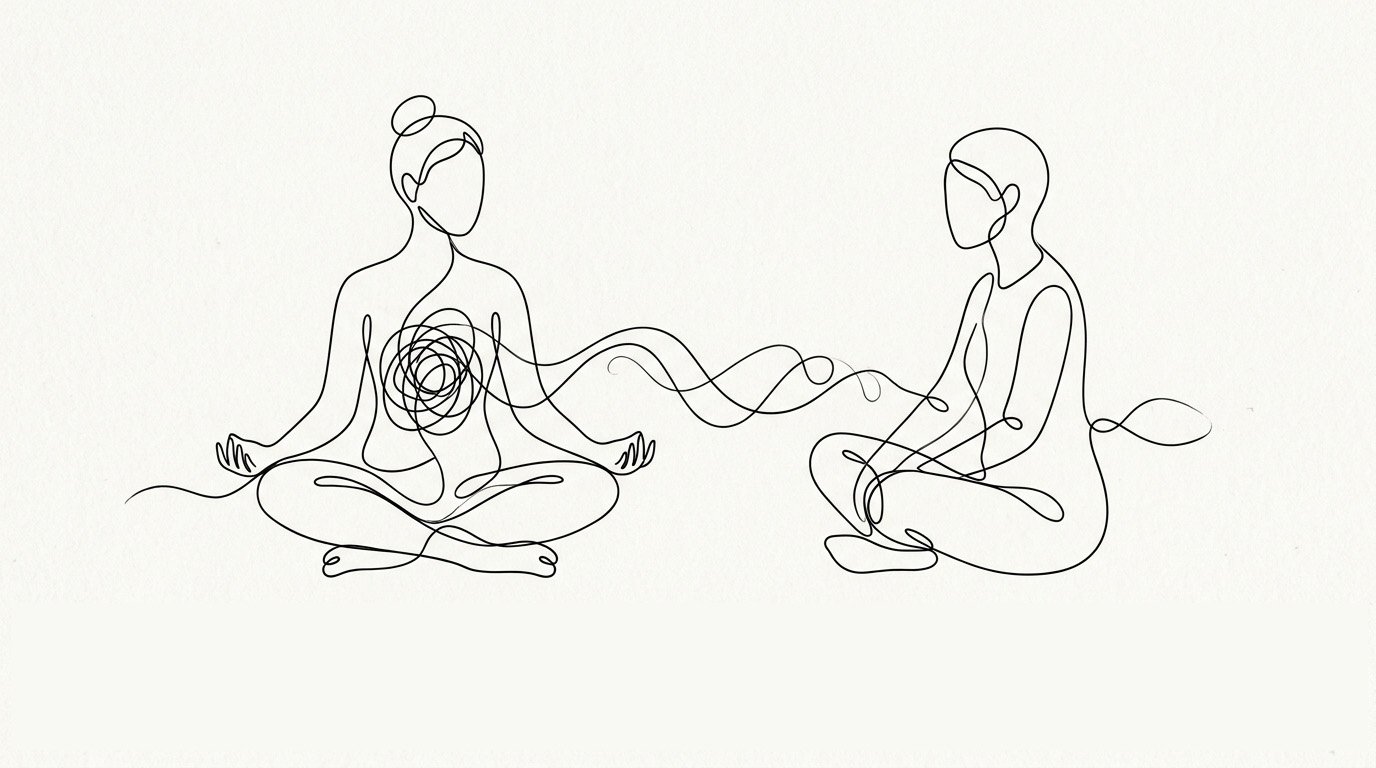
In counselling, my role is not to judge your reactions or diagnose your distress from a distance.
It is to sit with you.
To understand the context.
To help you make sense of your responses.
To gently rebuild your internal ground so you can stand on it again.
That might look like:
- Slowing down your overthinking.
- Understanding your trauma responses (fight, flight, freeze, fawn, flop).
- Exploring grief and identity loss.
- Strengthening boundaries.
- Learning how to regulate without silencing yourself.
Not by dismissing your emotions.
But by honouring them.
If you have been told you are unstable simply for reacting to harm, I want you to know this:
Your feelings deserve space.
Your story deserves context.
And you deserve to feel safe in your own mind again.
That is not madness.
That is healing.